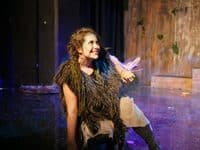
The Contemporary American Theater Festival (CATF) is known for producing and developing new American plays, guided by core values of fearless art, diverse stories, inclusivity, and community. CATF has been recognized as one of the premier theater festivals in the world by the New York Times, American Theater magazine, and World Guides. Since its inaugural event in 1991, the festival has produced 144 new plays by 104 playwrights, with many of these works continuing to live on through film adaptations, regional productions, and Broadway and Off-Broadway productions. In addition to five mainstage productions, CATF hosts the popular talktheater series, featuring more than 30 events centered around lectures, discussions, and opportunities to connect with artists and fellow theater lovers. Ahead of the festival’s July 10 opening, DC Theater Arts’ Julia Tucker spoke with Artistic Director Peggy McKowen to discuss the 2026 lineup and her 20-year journey with the festival. This interview has been edited for clarity, length, and flow.
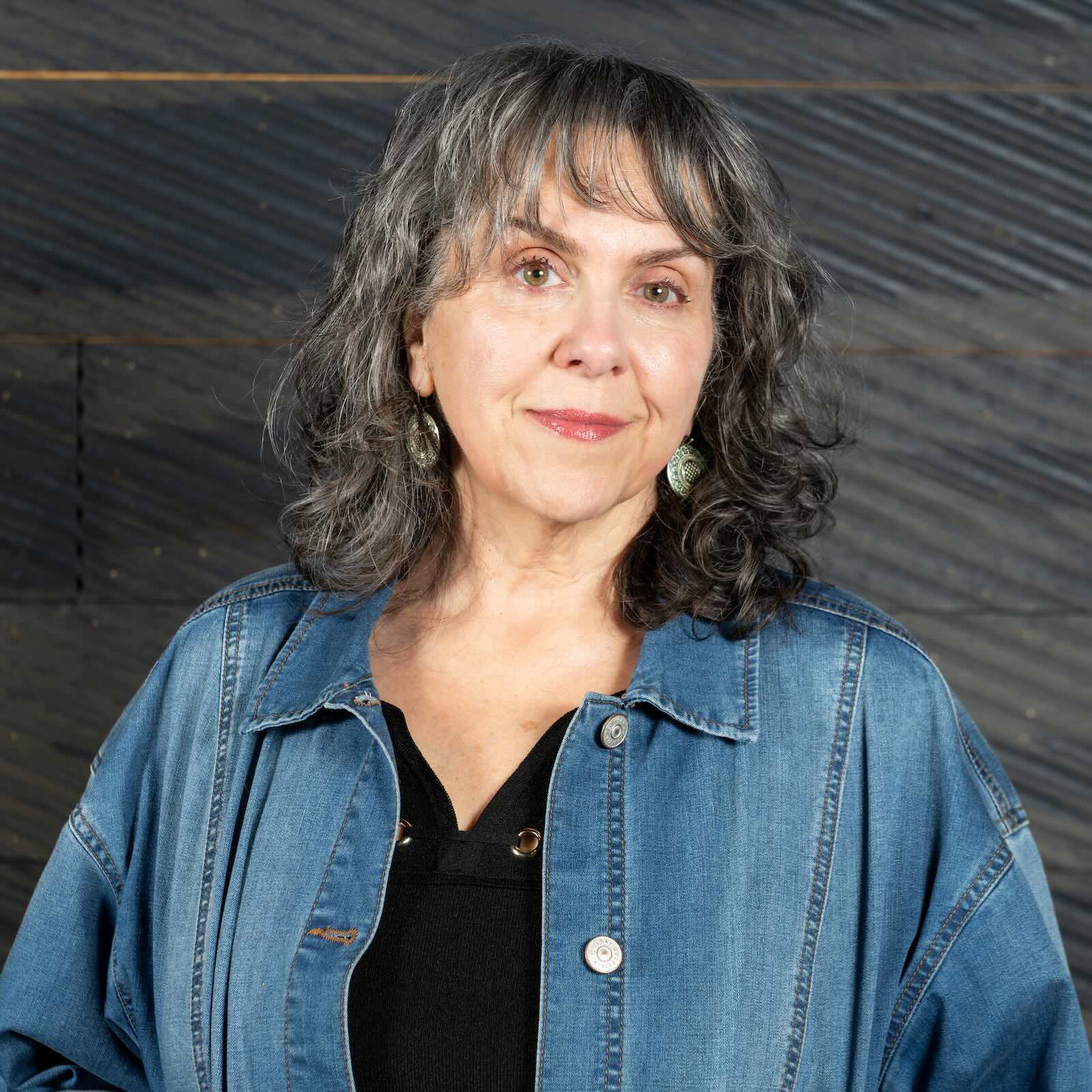
Julia Tucker: What first inspired you to pursue a career in theater, and how did that passion eventually lead you to your current path?
Peggy McKowen: I come from a family of artists across many different disciplines, but my mother particularly lived the life of an artist. She worked in the theater. She was a painter, a sculptor; she did so many things, but most importantly, she believed that art was necessary in life. I grew up in the theater, and the theater just felt like a natural home to me, so I knew it was something that I always wanted to do. Then, that more conscious understanding of the passion of art and why it matters in life came as I matured and grew. I know that that was inspired by my mother.
I know that you first became involved with CATF by designing costumes in 2006, joined the full-time staff as Associate Producing Director in 2007, and became Artistic Director in 2021. Looking back on your 20-year journey with the festival, what have been some of the most rewarding experiences along the way?
There are several different experiences that have been particularly rewarding for me. Certainly, when we produce a play that is deeply impactful to our audiences and is received in a way that it moves to other theaters beyond CATF, that feels very rewarding. Another way to look at that is there are times when we have a large intern company that comes to us every year. There have been times when someone who has interned with us has come back for a second internship, then become a staff member, and then led a department. Watching the evolution and growth of a young professional building a career with us, and knowing that we support them and make that opportunity possible, is rewarding. Another rewarding experience at CATF is when I feel we have really gathered our community together, whether that’s Shepherdstown or the region. When people come back year after year and feel very connected to us as if they are part of CATF in a significant way, that is also very rewarding. It’s important that there’s a continuing community that supports the work that we do at CATF.
How would you describe your artistic vision for CATF, and what factors guide your creative process when selecting and shaping each season’s programming?
In all the work that I do, I try to keep present the values and the mission of the institution, the vision. Trying to uplift those values in terms of fearless art and diverse stories, care, community building … I really think about those things as I’m looking at plays. I’m also deeply committed to those plays that just speak to me, feel impactful to me, surprise me, and that make me think about something differently. I’m hoping that is the experience that the audience might have. That is something that I am responsive to — the way that I think and feel after reading a play. Then, I think about what is important to the theater industry as a whole. I feel that CATF has a real responsibility as one of the leading new-play producers to provide opportunities for emerging playwrights, provide opportunities for well-established playwrights to experiment or do something new, to welcome a group of artists to create something that they might not be able to do somewhere else, and to support that role within the industry. All of those things go through my mind as I’m crafting a season and figuring out the puzzle of how these shows work together to create a season that gives the audience a different experience in every play … that feels like they’re coming to a variety of theatrical experiences.
This year’s programming features five new plays from award-winning playwrights, including four world premieres. What excites you most about the 2026 lineup, and what do you hope audiences will take away from the experience?
One of the things that’s most exciting to me about the lineup is that they’re very different stories, but they are stories that audiences will respond to immediately. When we have read the plays out loud, the audiences have had “ooohs,” “ahhhs,” surprises, and responses. I think that the immediacy of that interaction with the story and with the storytellers … it just feels like that makes the whole season very exciting, that it can be very engaging for the audience.
CATF has built a reputation for producing and developing new American plays, including more than 60 world premieres. Why is it important to you that the festival remains committed to showcasing new voices and stories?
I have two major reasons. One is that if we believe that art is a reflection of our society, new plays are an immediate reflection of who we are today. I think it’s really important to be able to face that reflection in real time and to discuss that, think about that, and investigate that. That’s one of the reasons it’s important for CATF to continue that work: it provides an opportunity for all of us to see ourselves and maybe question who we are and who we want to be. The other reason is that the future of the American theater is truly dependent on how new work is brought into the canon and how new work is given an opportunity. Without places like us, I don’t know where that new work comes from. Every show on Broadway, every show that has become someone’s classic favorite, started somewhere as a new play or a new theater experience. So we need those places to be willing to take the risk … to be willing to provide the resources that enable artists and audiences to explore together, so the next great play is made.
For those who have never attended CATF, why should they make the trip to Shepherdstown to experience the festival?
People should come to the festival because it is a very welcoming and inviting experience to explore new plays. The thing that is exciting about the exploration is that when you’re here — because we’re doing five plays at the same time and we are in a community like Shepherdstown that is so supportive and completely invested in the work that we’re doing — everywhere you go, there is conversation and a connection around these plays. As an audience member, you can be sitting in a restaurant having dinner with people that you were in an audience with, or you can be sitting with actors and artists that may have been in the play … your server is going to talk to you about the play. It is a place to really immerse yourself in that experience in a way that feels welcoming and engaging. It’s a beautiful place to be for a few days. Shepherdstown and the region are truly beautiful … there’s a lot of outdoor activity here, there’s a lot of great history here. It can be like a theater vacation — fun and engaging and feeling like you’re part of a community — and also doing things that you like and things that challenge you. It’s a great opportunity to be with others who share that experience (and we make great plays!).

Contemporary American Theater Festival (CATF) runs July 10 to August 2, 2026, at Shepherd University, 301 North King St, Shepherdstown, WV. Performances and events take place in three venues across the campus: Frank Center, Marinoff Theater, and Studio 112. Multi-show packages are available, and tickets can also be purchased for individual shows. Tickets ($45–$75 for individual shows and $120–$300 for multi-show packages) can be purchased online or by calling the box office at 681-240-CATF (2283).
SEE ALSO:
Contemporary American Theater Festival announces casts and creative teams for 2026 mainstage season (news story, June 20, 2026)
Contemporary American Theater Festival to bring five new plays to life July 10–August 2 (news story, March 16, 2026)
Contemporary American Theater Festival announces summer 2026 season (report by Bob Ashby, March 5, 2026)