Tony Award winner Kelli O’Hara has long been one of Broadway’s most luminous leading ladies, celebrated for performances in The Light in the Piazza, South Pacific, The Bridges of Madison County, Kiss Me, Kate, and her Tony-winning turn as Anna Leonowens in The King and I. A Grammy-, Emmy-, and SAG-nominated performer whose career has also taken her to the Metropolitan Opera and television’s The Gilded Age, O’Hara now brings her soaring soprano to PBS’s America Made in Virginia: 250 Years Together. Premiering July 4 as part of PBS’s America @ 250 programming, the special gathers O’Hara alongside Judy Collins, Michael Feinstein, Ryan Speedo Green, Richard Thomas, Adrienne Warren, and the United States Air Force Heritage of America Band for a star-filled salute to the nation’s anniversary. O’Hara spoke with DCTA about her career, patriotism, and what it means to help mark America’s 250th birthday from one of its most iconic historic sites.
This conversation has been condensed for clarity.
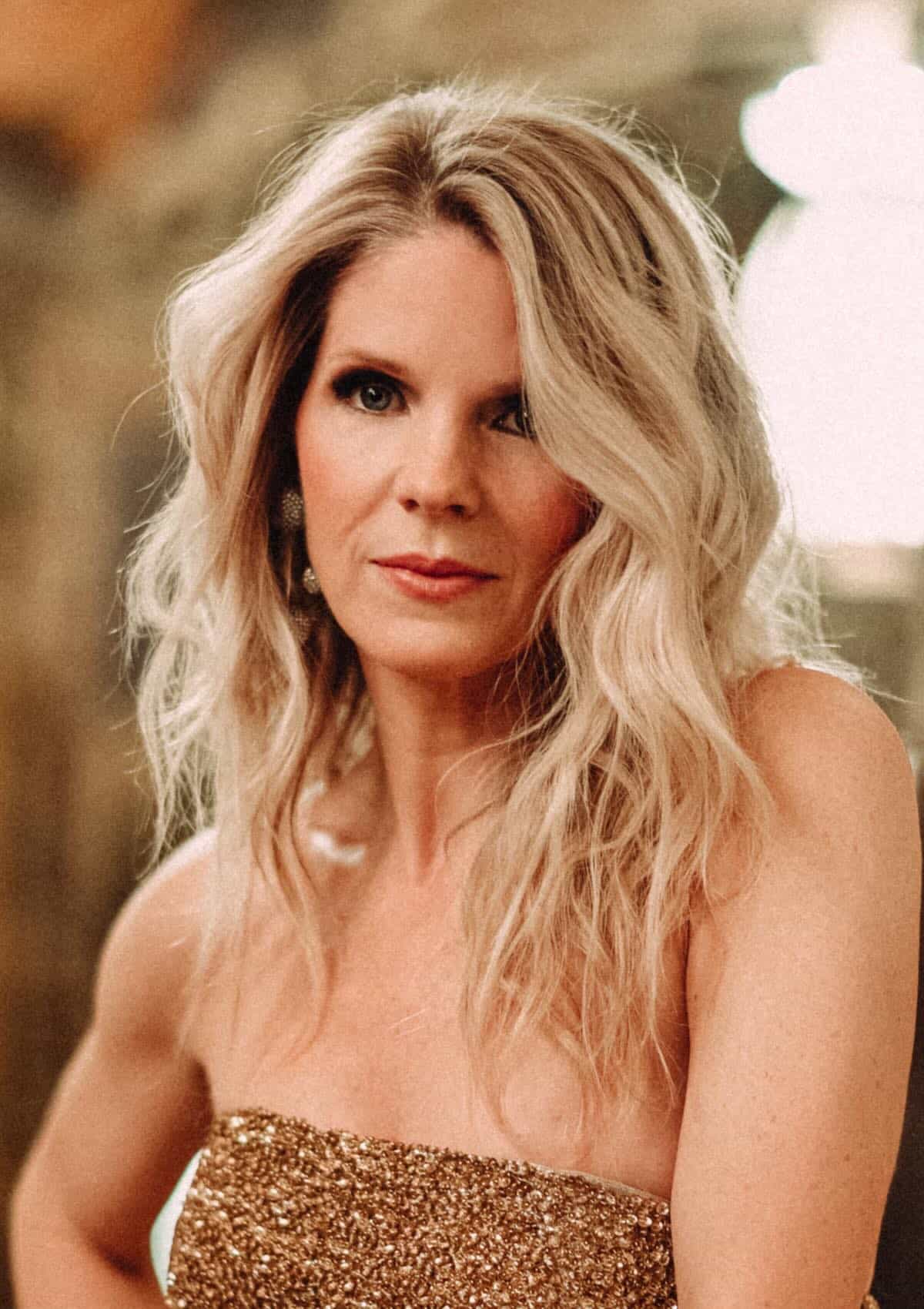
Nicole Hertvik: Congrats on your recent Tony nomination! What made you decide to join this PBS America at 250 event?
Kelli O’Hara: I have done a lot of Fourth of July patriotic concerts all my life. It’s one of my favorite events of the year; I grew up in Oklahoma and was raised to be patriotic. I have done the PBS shows on the National Mall on the Fourth of July many years, but this year that didn’t feel like the right choice for me. I think we’re living in odd times right now, but this opportunity came up that wasn’t necessarily the PBS shows on the National Mall, and I do take great pride in how I feel about this country and its intentions and its hopes, and I don’t want to be coerced out of that. So this opportunity came up, which was a different venue, and my friend Adrienne Warren was signed on to do it, so I thought this feels right.
I want to talk about your varied and expansive career. Since the Tony Awards recently happened, let’s start with the fact that you have a whopping nine Tony Award nominations and one win (for The King and I in 2015). How does winning a Tony Award change your life?
If you win at a young age when you are just starting out, I do think it would change your life drastically. By the time I won a Tony, I was in my late 30s. I had had a long and very dedicated career, and honestly, I don’t think it changed much. Obviously, it was an amazing thing to have, but it didn’t change the thoughts I had about my career. But if you’re Ben Platt and you win a Tony right out of the gate, it catapults you in a different way; for me, I try to be humble about it. It’s a cherry on top of something that I already deem a great gift, the fact that I’m working in this business at all. It’s the same with nominations. Every year it’s like, I shouldn’t need this. I want it, of course, but I shouldn’t need it.
You were back on Broadway in Noël Coward’s 1925 comedy Fallen Angels, for which you got your ninth Tony Award nomination. What has it been like doing comedy on Broadway this season?
It’s been awesome. I’ve been doing concerts and singing a lot in between performances, but to do a Noël Coward, technical play like that, it stretches some different muscles for me. I had an absolute blast.
This year, I burst into tears because I thought that for Rose Byrne [O’Hara’s Fallen Angels co-star] and me to both be nominated, that probably wasn’t going to happen. So I had talked myself out of it. I was incredibly surprised and happy that we both got nominated. But you really have to be careful with how much you think you need it. You want to be really pragmatic about it and ask, “Would it change how much I work if I get it?” Would I be angry if I didn’t?
I saw a performance a few weeks ago and was lucky enough to see a post-show talkback. You guys came out after the show and talked about how doing comedy is actually really precise and difficult.
In the beginning, yes. They say comedy is much harder than drama because you need that collaboration with an audience that is responding. You have to earn that. Whereas, doing drama, if you get deep down into the truth of it, you can almost feel satisfied telling the story without getting much feedback. But a comedy is a definite shared experience between an audience and the actors.
You trained as an opera singer. What are some of the ways you approach singing an operatic piece differently than you do musical theater?
As far as intention and trying to act the part, it’s probably why I didn’t continue in opera. I never wanted to put all of my focus in the perfection of sound. I really don’t mind if a person’s voice is not that great, but they are making me feel deeply. I would actually prefer someone who is deeply into the emotion of the song but may not have a perfect sound and who’s just standing there with nothing behind their eyes. So vocally, in the operas I’ve done, I have had to focus more on the correct, technical singing. And I always sing technically, because I was trained that way, but in musical theater, I let some of that go. I’m not so worried about making a perfect sound.
What came first for you, opera or musical theater? Was your goal to pursue a career in one or the other?
Growing up, I didn’t think of it as musical theater because I never saw any live theater. I just didn’t have it around me, with the exception of some school musicals. I grew up in Western Oklahoma, and I was watching movie musicals. Opera wasn’t until I got to college. And I knew nothing about opera, but my wonderful voice teacher talked me into switching majors because of the kind of voice I have, which is just more innately operatic. I fought that for a long time. I wanted to sing like Whitney Houston, but that didn’t come out!
What kind of code-switching is involved in practicing different mediums? There was one year, for example, where you were nominated for an Emmy for a TV role (The Accidental Wolf), sang in Così fan tutte at the Metropolitan Opera, and reprised your role in The King and I in the West End. That’s a lot of stuff!
None of it feels that different to me. It just feels quieter. Theater is a presentational art form. Then opera is even more presentational, but television is very intimate and real. So I think it’s all about having the same amount of truth but making the technical change of size. That’s how I love to be. I want to be doing different things all the time.
Why do you think you’re like that?
Because I’m doing the work for an education and a catharsis and a human connection, to learn about other types of people and tell stories that might help or affect people. So if you can liken it to clocking into the same factory job every day, you don’t learn a lot of new things. I want my job to be varied and ask different things of me; that keeps things exciting.
Anything else you want to say about the Fourth of July concert in Williamsburg?
I just love coming together to celebrate. If I can be a part of helping to do that and helping these traditions stay alive, I want to do that.
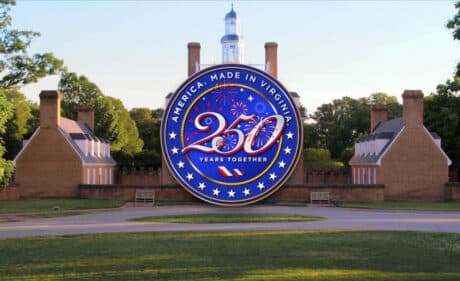
Kelli O’Hara will perform on PBS’s America Made in Virginia: 250 Years Together on July 4, 2026, at 8:00 PM Eastern. Check your local listings for PBS stations near you.